Türkiye's maritime experts put training and safety standards first for alternative fuels
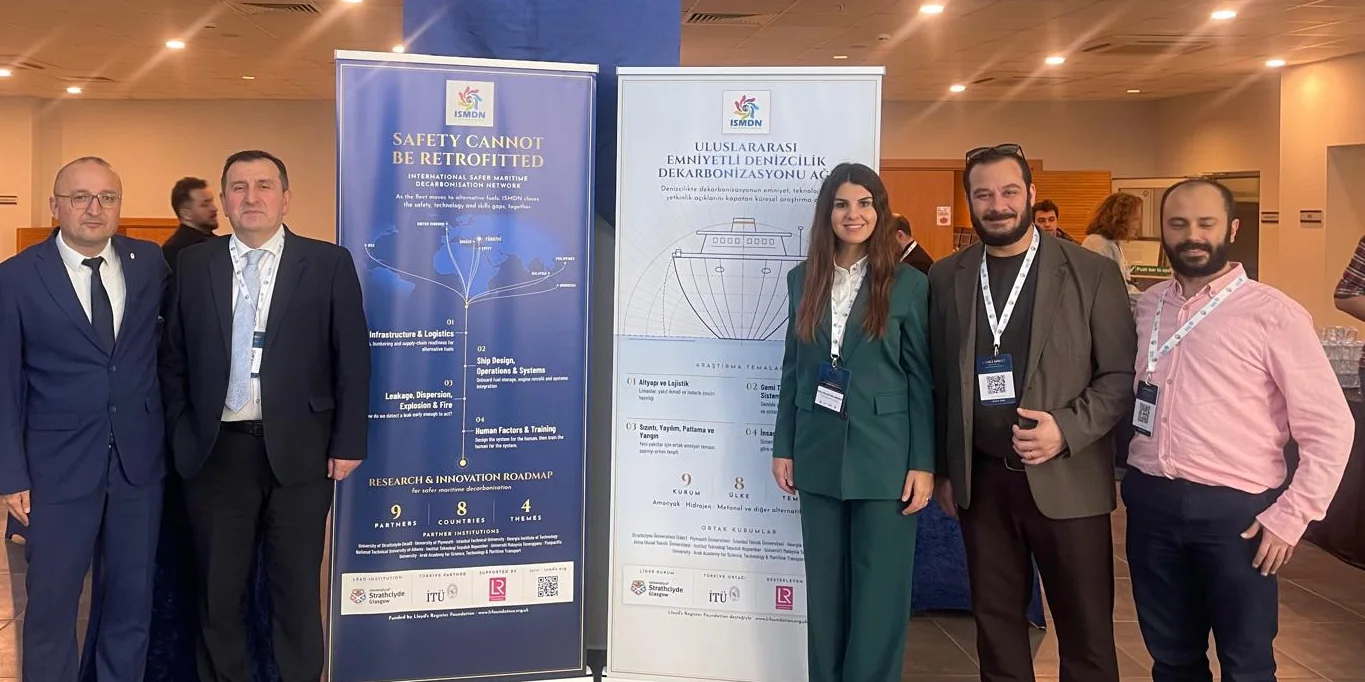
Istanbul Technical University hosted ISMDN's Türkiye experts' workshop on 12 November 2026, where 70 experts from shipping, shipbuilding, ports, class and academia named training and safety standards as the country's most pressing needs.
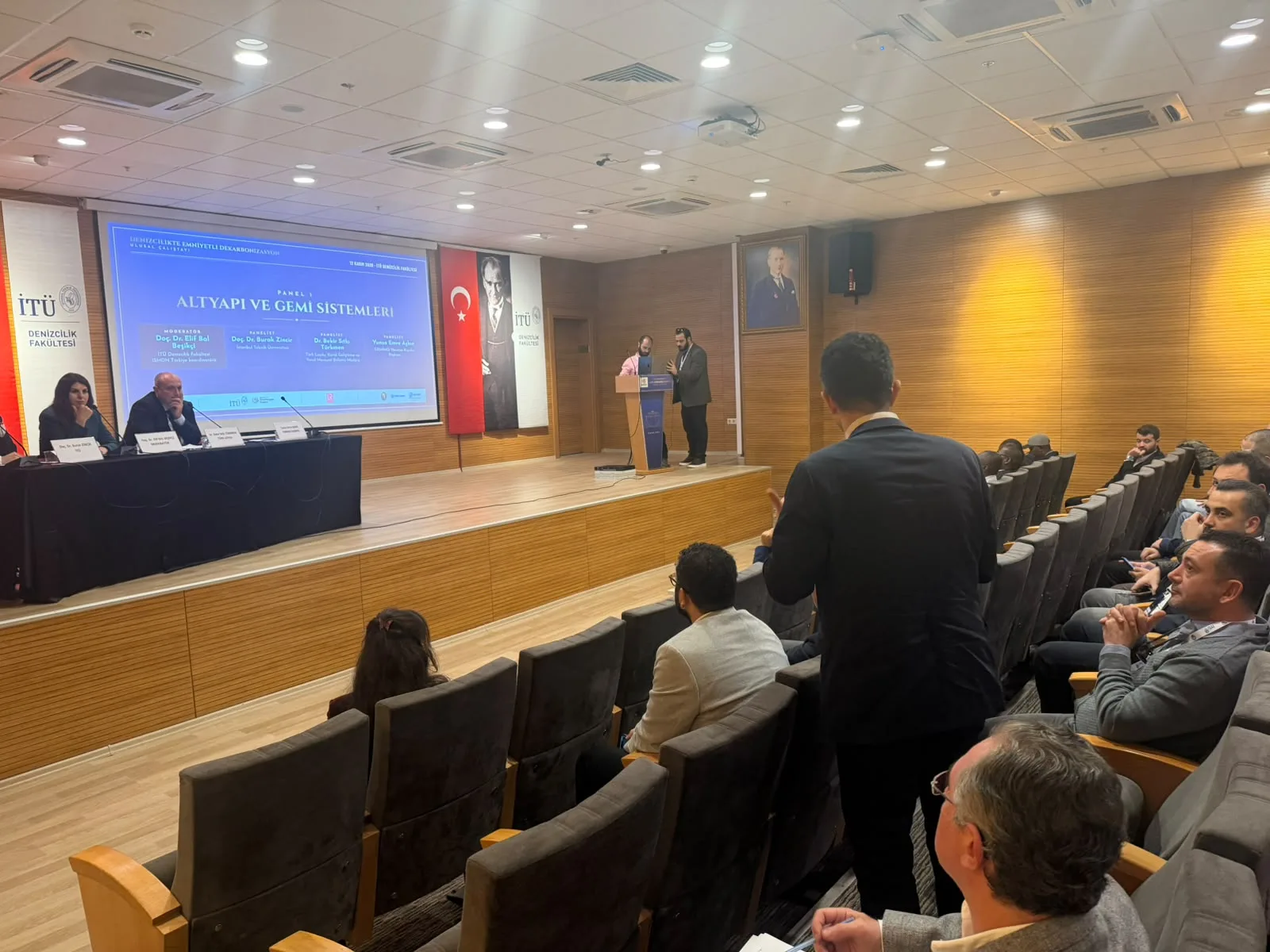
On 12 November 2026, the Maritime Faculty of Istanbul Technical University (ITU) hosted the National Workshop on Safe Decarbonisation in Shipping, ISMDN's Türkiye experts' workshop, organised with the University of Strathclyde and coordinated at ITU by Assoc. Prof. Dr Elif Bal Beşikçi, ISMDN's ITU coordinator. Under the theme "safety in alternative fuels, from infrastructure to people", it brought together 70 experts from shipowners and operators, shipyards and designers, ports, classification societies, the maritime administration and universities. Shipowners and operators formed the largest group, at 41% of those who answered the live survey.
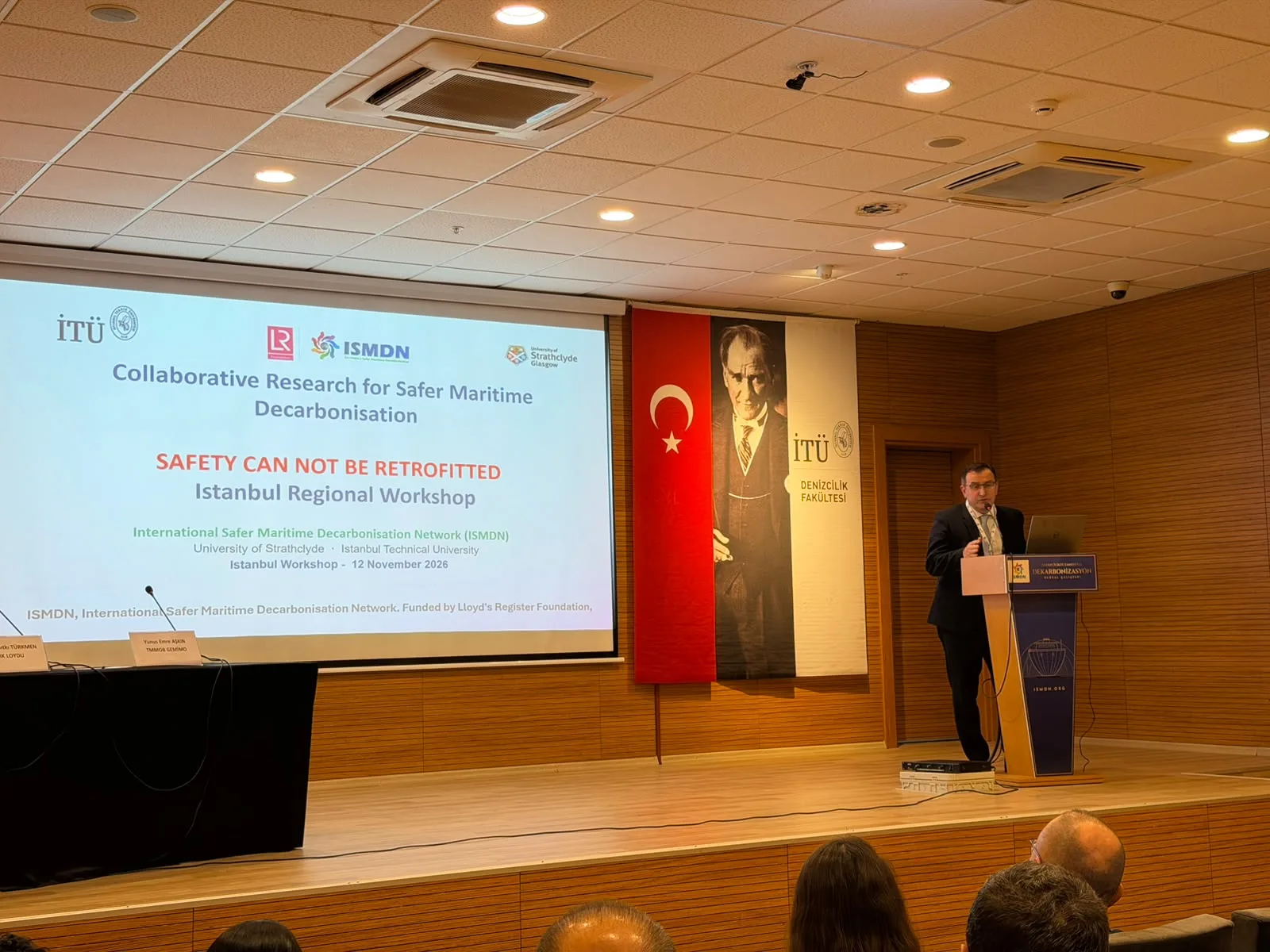
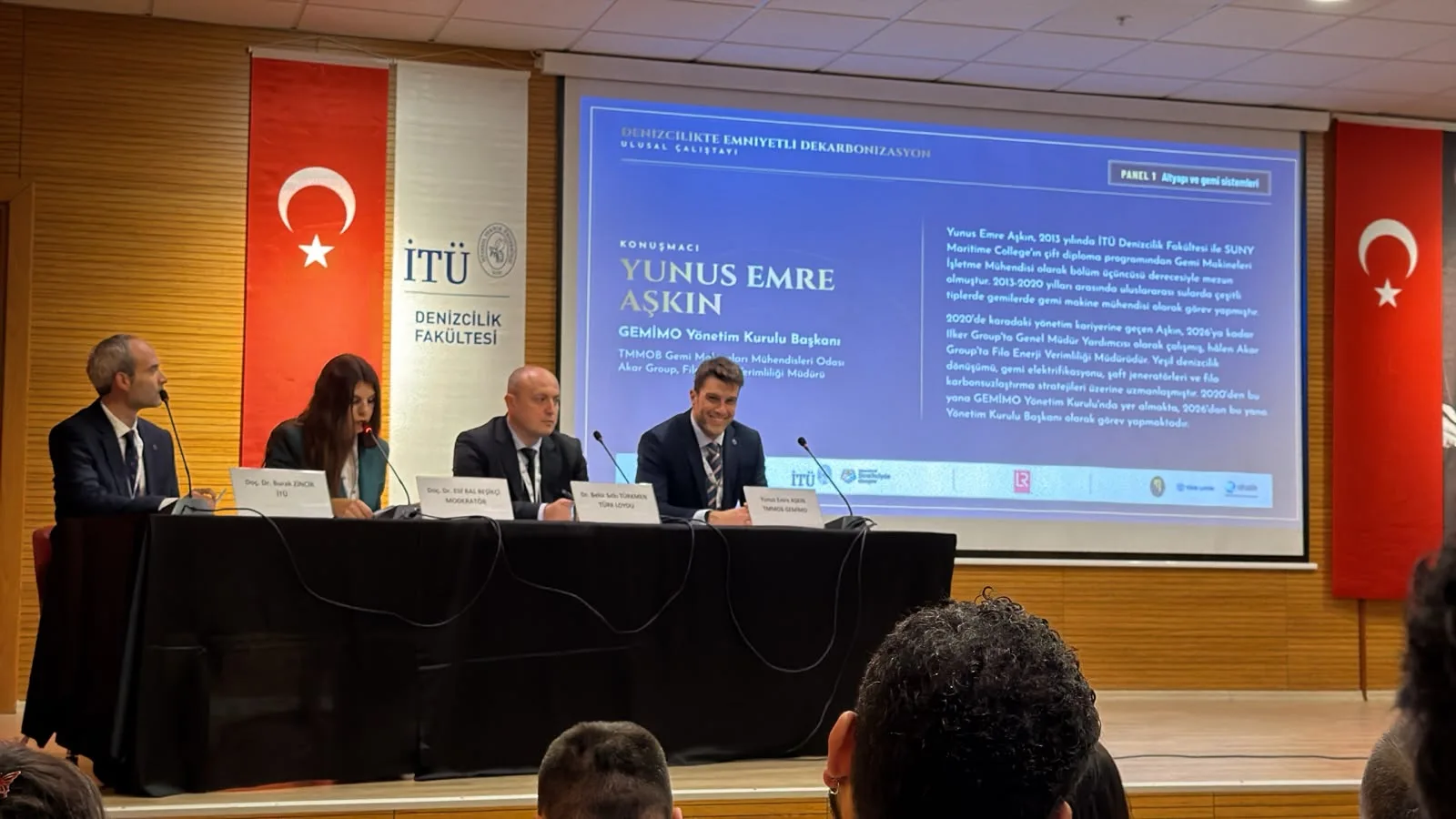
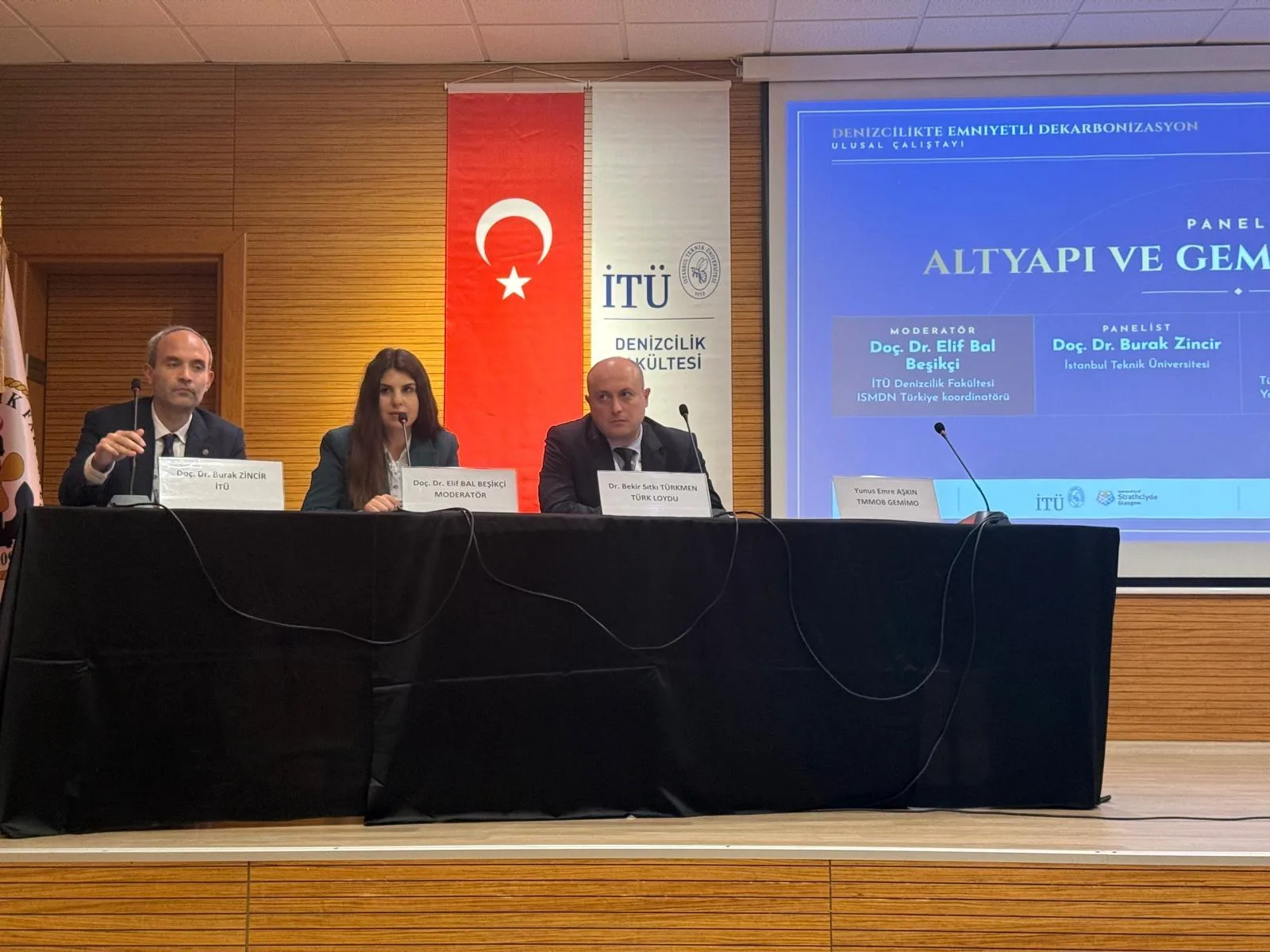
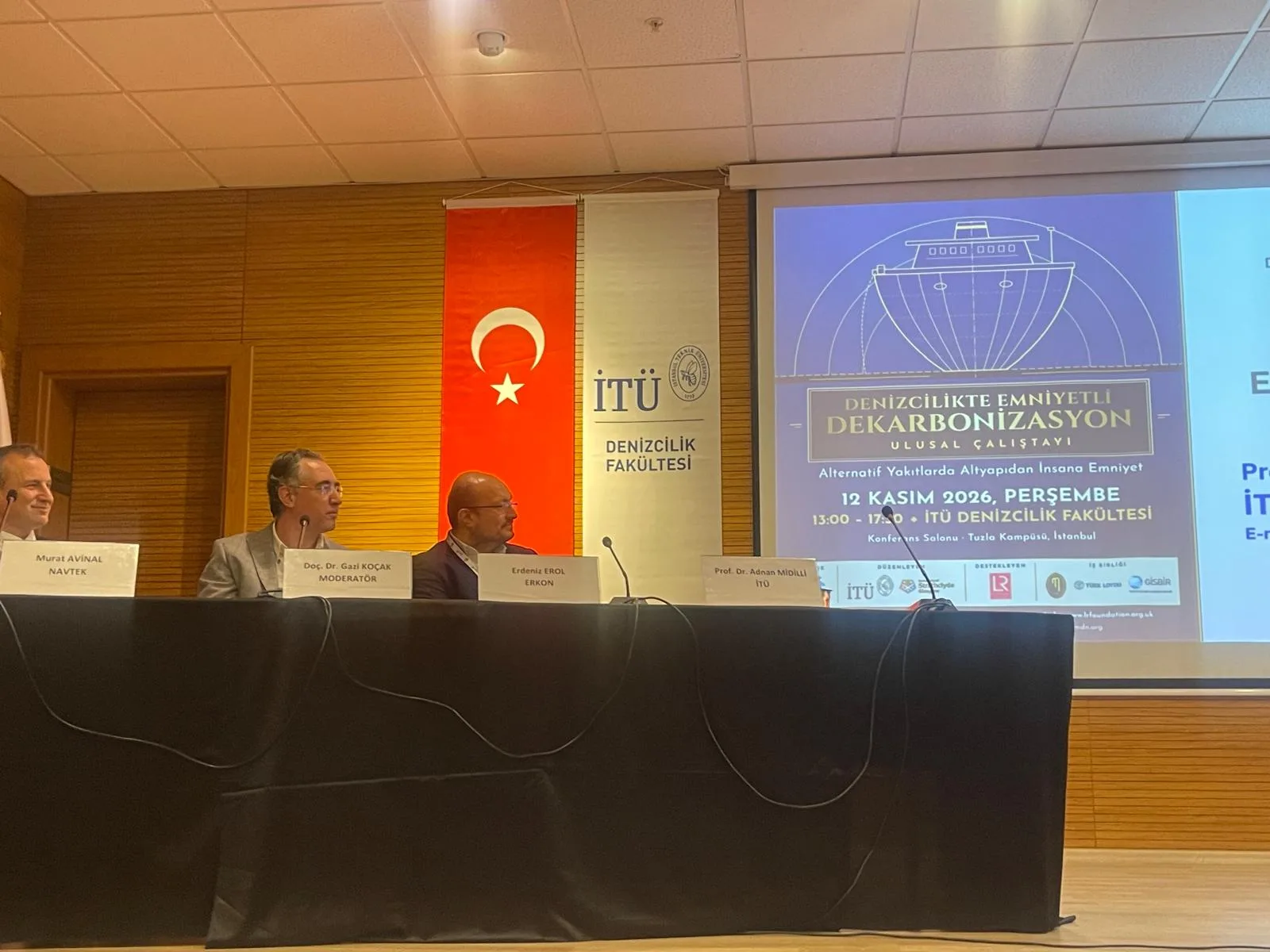
Professor Osman Turan of the University of Strathclyde opened the workshop with "Safety cannot be retrofitted", which set out what the network has learned in its first year. Two panels followed. The first, on infrastructure and ship systems, was moderated by Dr Bal Beşikçi and brought together Assoc. Prof. Dr Burak Zincir, Head of the Department of Marine Engineering Operations at the ITU Maritime Faculty; Dr Bekir Sıtkı Türkmen, Head of the Rule Development and Statutory Regulations Department at Türk Loydu; and Yunus Emre Aşkın, Chair of the Board of the Chamber of Marine Engineers (TMMOB GEMİMO). The second, on safety and human factors, was moderated by Assoc. Prof. Dr Gazi Koçak and brought together Prof. Dr Adnan Midilli of ITU; Murat Avinal, General Manager (Engineering and Production) of NAVTEK Naval Technologies; and Erdeniz Erol, Head of PMO and R&D Manager at ELKON.
Participants answered a live survey in Turkish throughout the workshop. More than half (58%) had not yet worked directly with any alternative fuel, and between half and two-thirds said they were not prepared at all for the routine operation of an ammonia- or hydrogen-fuelled ship, a fuel leak in the engine room or an ammonia exposure emergency.
The lack of safety standards was the clearest barrier to alternative-fuel bunkering in Türkiye, named by 73% of respondents, and three in four agreed that the "zero leakage" assumption in regulation is unrealistic. Before adopting a new fuel system, most participants would want full-scale trials and class approval.
The workshop also tested the findings of the ISMDN UK Expert Workshop held at Lloyd's Register in London, and agreement was strong on every one. It was highest on crew workload: 96% agreed that running new fuel systems alongside existing ones pushes the crew's workload to or beyond the safe limit. Most participants (74%) said seafarers and operators should be consulted at the concept stage of a new fuel system's design.
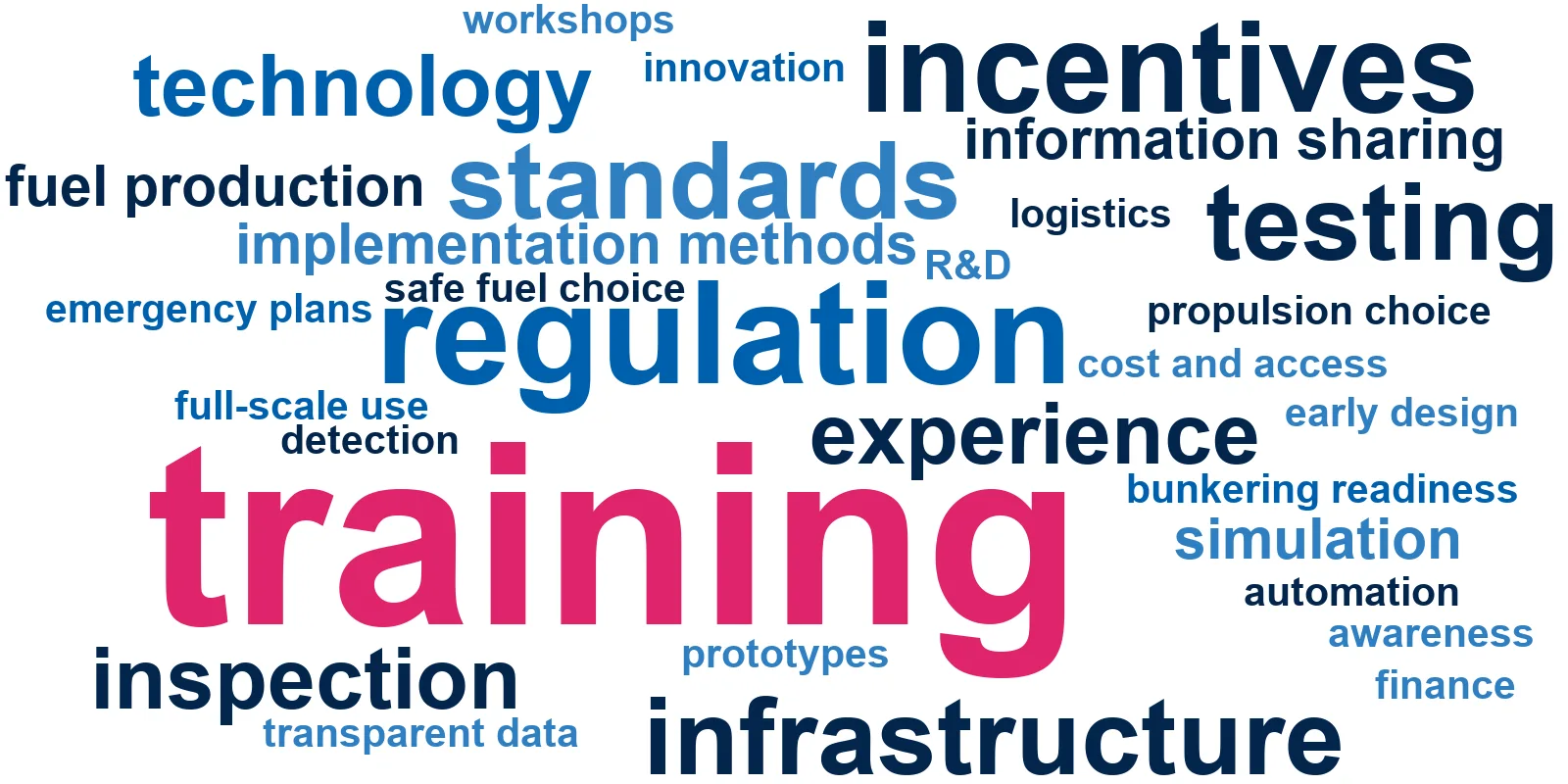
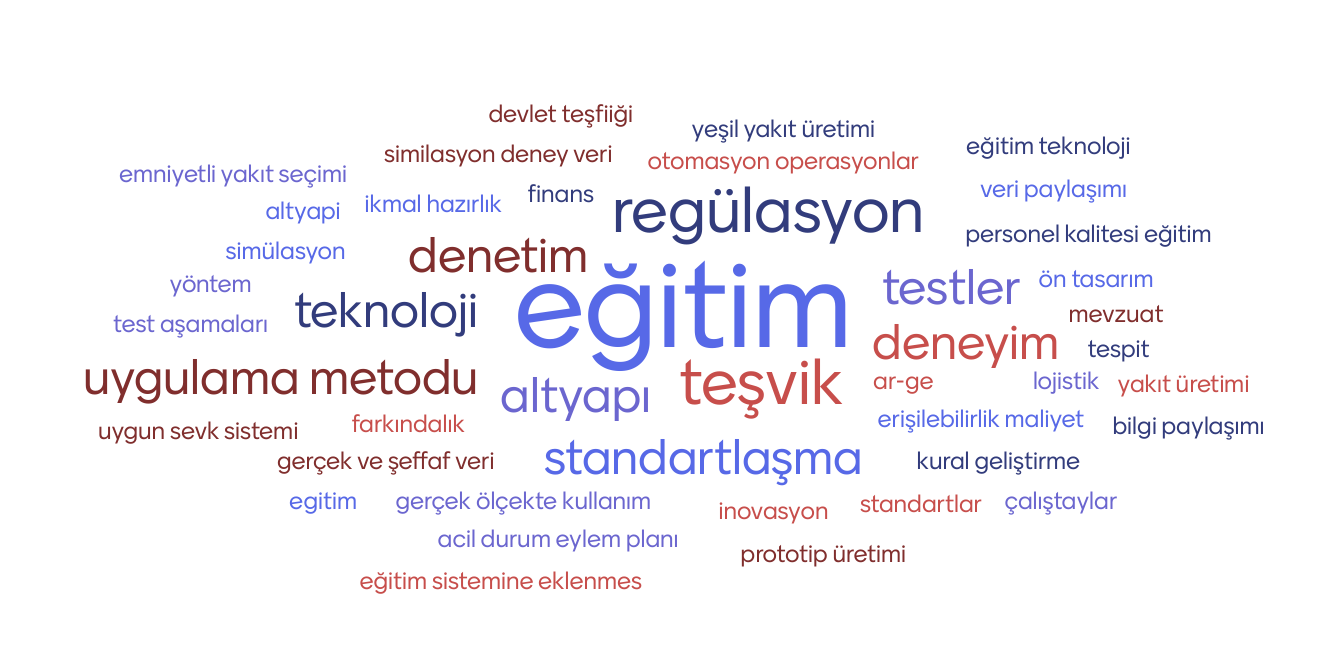
Asked for the single action that would do most to speed up the safe use of alternative fuels in Türkiye, participants named training more than any other, at more than a quarter of all answers, followed by regulation, incentives, infrastructure and standards. Among the pilot projects ISMDN could run in Türkiye, joint guidance from class and the flag administration ranked first, ahead of a field test of leak detection.
The results will be set alongside those of the network's earlier workshops and will inform the ISMDN Safer Maritime Decarbonisation Roadmap. ISMDN thanks the ITU Maritime Faculty and everyone who took part.
ISMDN is funded by Lloyd's Register Foundation and led by the University of Strathclyde, with nine partner institutions across eight countries. Organisations wishing to join the network can register at ismdn.org/register.
Gallery
Discussion
Open to signed-in network members.
Loading…