Safety & decarbonisation, charted together.
The maritime sector is late to decarbonisation, and safety cannot be retrofitted. ISMDN is a global research network closing the safety, technology and skills gaps as the fleet transitions to alternative fuels.
A network built to turn shared evidence into safer action.
Validate gaps
Mapping and validating the safety, technology and regulatory gaps across the fuel value chain.
Regional challenges
Surfacing regional skill needs and just-transition challenges, with a strong LMIC focus.
Co-create strategies
Co-developing research strategies and a living roadmap the whole sector can act on.
Global collaboration
Connecting universities, operators, regulators and class societies across eight countries.
What is happening across the network.
A selection of news, events and library highlights. Hover or tap a card to flip it.

ISMDN to present at the AIChE Annual Meeting 2026
ISMDN to present at the AIChE Annual Meeting 2026
ISMDN will present 'Systemic Safety Gaps in Maritime Decarbonisation' at the AIChE Annual Meeting 2026, in the Sustainable Maritime Fuels and Safety session in Minneapolis this November.
Read more →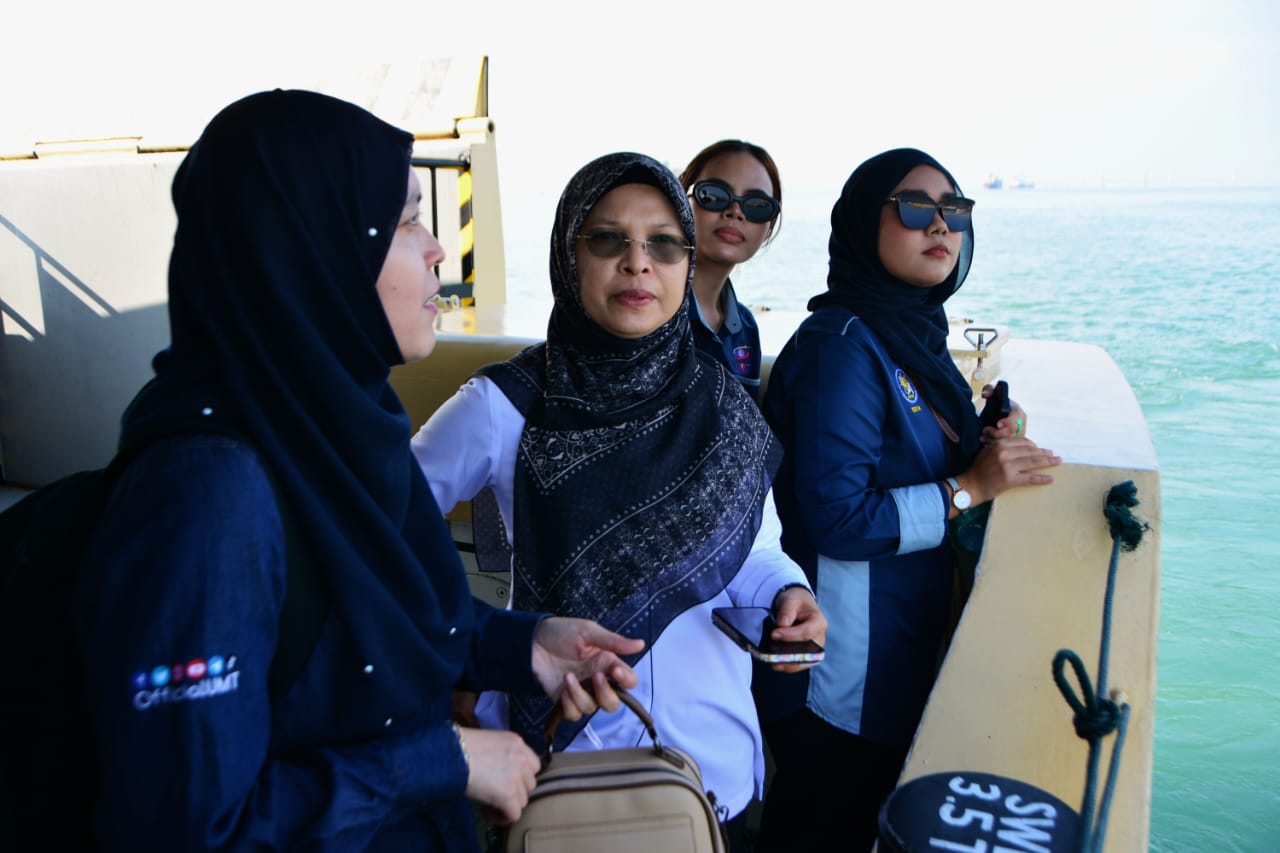
ISMDN partner UMT examines port decarbonisation at Penang Port
ISMDN partner UMT examines port decarbonisation at Penang Port
A study visit to the Penang Port Commission gathered first-hand evidence on hybrid cranes, renewable energy integration and ship waste management in a working Malaysian port.
Read more →
AASTMT hosts the First Egyptian Local Green Port Hub Workshop
AASTMT hosts the First Egyptian Local Green Port Hub Workshop
ISMDN partner AASTMT convened 40 participants in Alexandria to examine port carbon footprint, alternative fuel infrastructure and safety readiness across the Egyptian maritime sector.
Read more →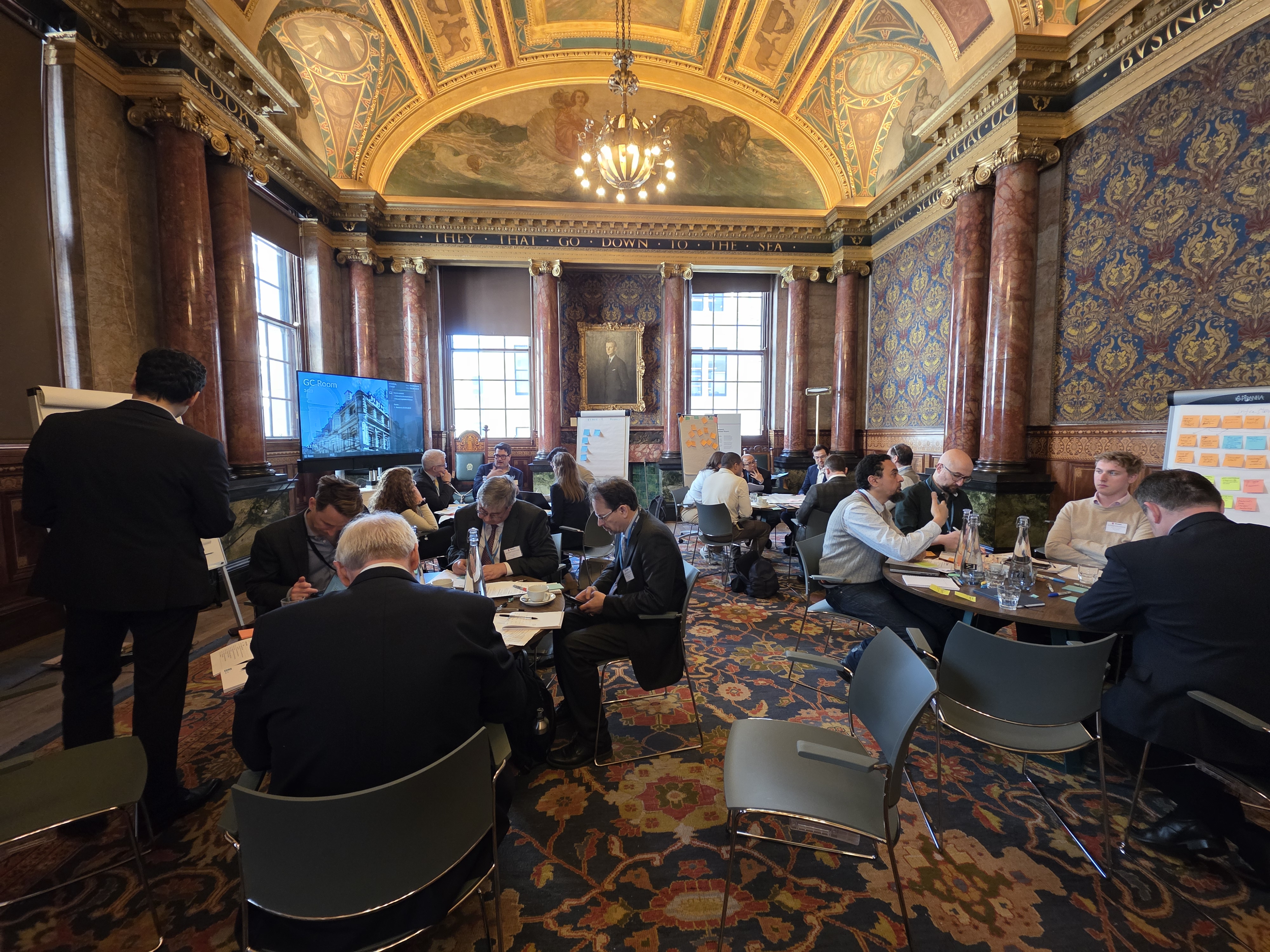
UK Expert Workshop maps the priority research gaps
UK Expert Workshop maps the priority research gaps
Held on 23 April 2026 at Lloyd's Register HQ in London, the inaugural ISMDN expert workshop brought together 26 participants from across the maritime sector.
Read more →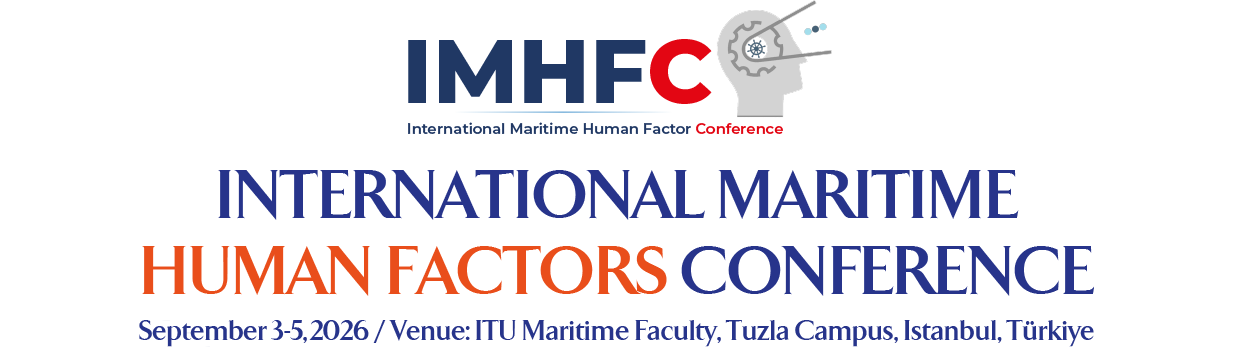
IMHFC 2026: International Maritime Human Factors Conference
IMHFC 2026: International Maritime Human Factors Conference
The International Maritime Human Factors Conference (IMHFC 2026) gathers researchers and industry to advance human-centred safety as shipping decarbonises. Hosted at the ITU Maritime Faculty in Istanbul, an ISMDN partner institution, it covers training, competencies and human reliability for crews working with alternative fuels.
View event ↗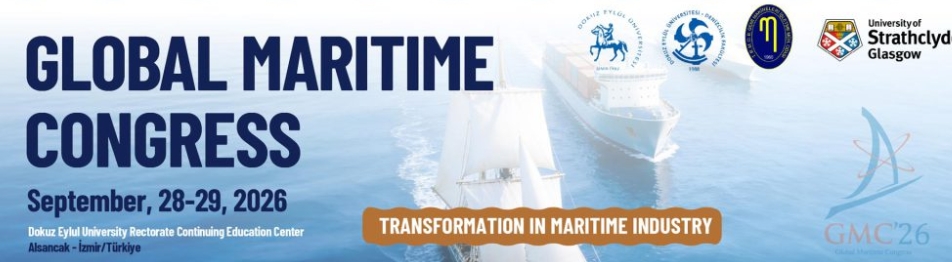
GMC 26: Global Maritime Congress 2026
GMC 26: Global Maritime Congress 2026
GMC’26 is jointly organised by the Chamber of Marine Engineers, the Maritime Faculty of Dokuz Eylul University, and the University of Strathclyde. Under the main theme “Transformation in Maritime Industry”, the congress will address key issues shaping the maritime sector, including sustainability in maritime transport, green and smart shipping, marine technologies, alternative fuels, energy efficiency, decarbonisation, port and logistics systems, the maritime economy, safety, governance, human factors, and digitalisation. Bringing together representatives from academia, public authorities, and the private sector, GMC 26 aims to foster knowledge sharing, collaboration, and a common vision for the future of the maritime industry. We look forward to welcoming you to İzmir and to your valuable participation.
View event ↗Four themes, one safety case.
Our work is organised into four interlocking themes spanning the full alternative-fuel value chain.
Infrastructure & Logistics
Ports, bunkering and supply-chain readiness for alternative fuels, and the financial, spatial and regulatory conditions that make them safe and viable. The barrier is rarely a single technical failure, but the simultaneous absence of investment confidence, port space, evidence and regulatory obligation.
Explore theme →THEME 02Ship Design, Operations & Systems
Onboard fuel storage, engine retrofit and systems integration, replacing bespoke, project-by-project risk assessments with standardised methods, validated models and clear class and flag responsibilities.
Explore theme →THEME 03Leakage, Dispersion, Explosion & Fire
The cross-cutting safety theme for new fuels. It reframes the question from “how do we disperse gas?” to “how do we detect a leak early enough to act?”, and designs for realistic leakage rather than the fiction of zero leakage.
Explore theme →THEME 04Human Factors & Training
Design the system for the human, then train the human for the system, not the reverse. Human factors are too often retrofitted at the operational stage, leaving crews to manage unfamiliar fuels alongside legacy systems under mounting cognitive load.
Explore theme →Research & Innovation Roadmap for Safer Decarbonisation
Mapping the priority research gaps, regional skill needs and the route to closing them, turning shared evidence into a plan the whole sector can act on.
Read the roadmap · under constructionFrom evidence to action
- ◆Identify the priority research gaps across the fuel value chain.
- ◆Pool evidence and capability from partners in eight countries.
- ◆Translate findings into a shared, actionable research agenda.
- ◆Equip the sector with the skills and training to deliver it safely.